Manage and Guide Deals
Turn more open deals into closed ones.
Outreach AI agents watch every deal for risk, coach sellers while the buyer is still on the call, and handle the follow-through in between. Sales leaders get a pipeline that moves and a forecast built on what is actually happening in each deal.

Thorsten Reichenberger - increased transparency


Trusted by revenue teams across sales, marketing, RevOps, and customer success


Meeting Management
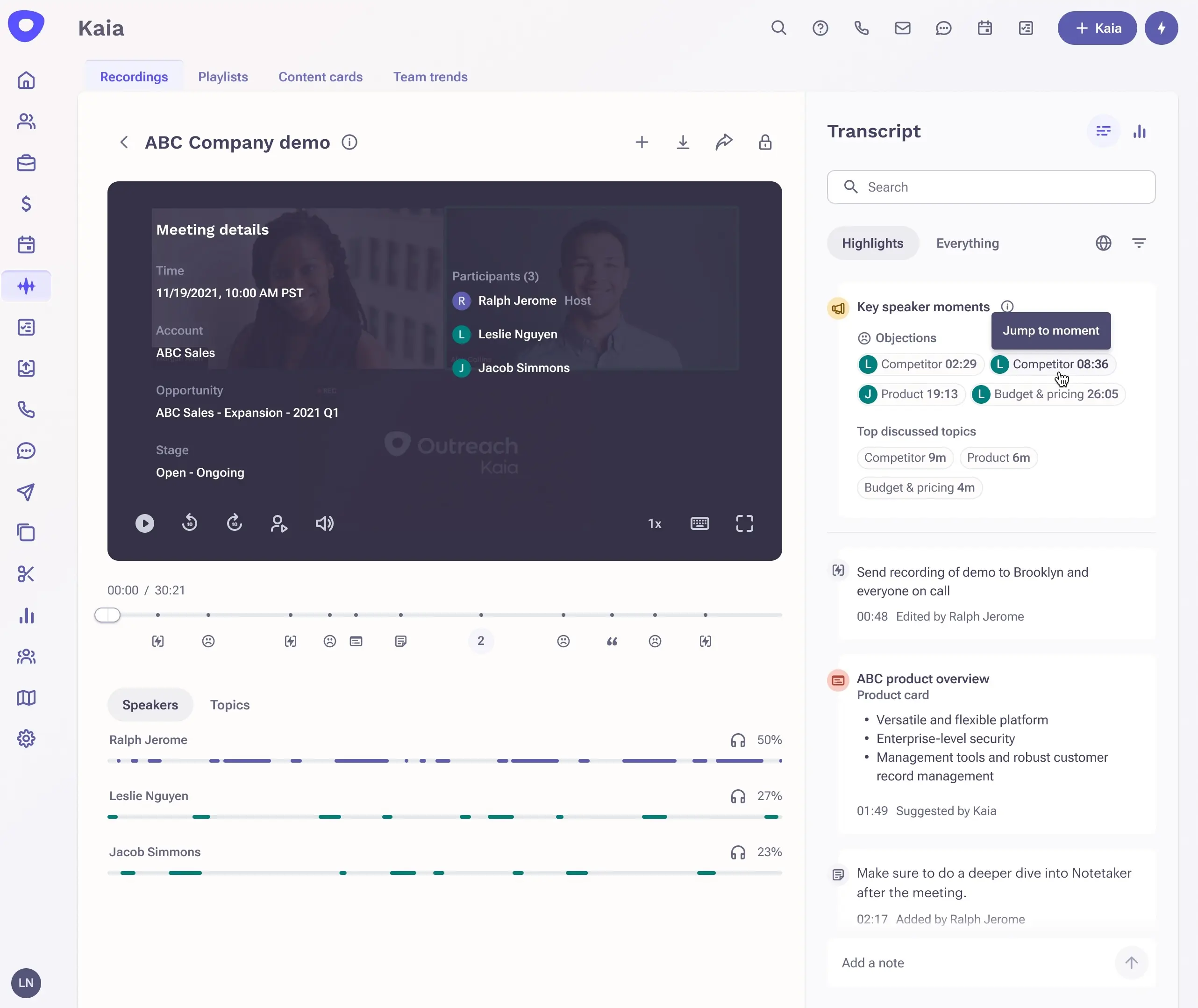
Meeting time with buyers is the scarcest thing a seller has. Outreach AI agents build the brief before the call, pulling together account history, CRM data, and outside signals. During the conversation, live guidance surfaces competitive, pricing, and objection responses as topics come up. Afterward, the summary, action items, and CRM updates are done before the seller reaches the next call. Reps show up sharper, managers spend less time on post-call reviews. Every meeting ends with a next step on record and automated coaching feedback for sellers so they show up sharper and managers spend less time on post call reviews.
Deal Progression
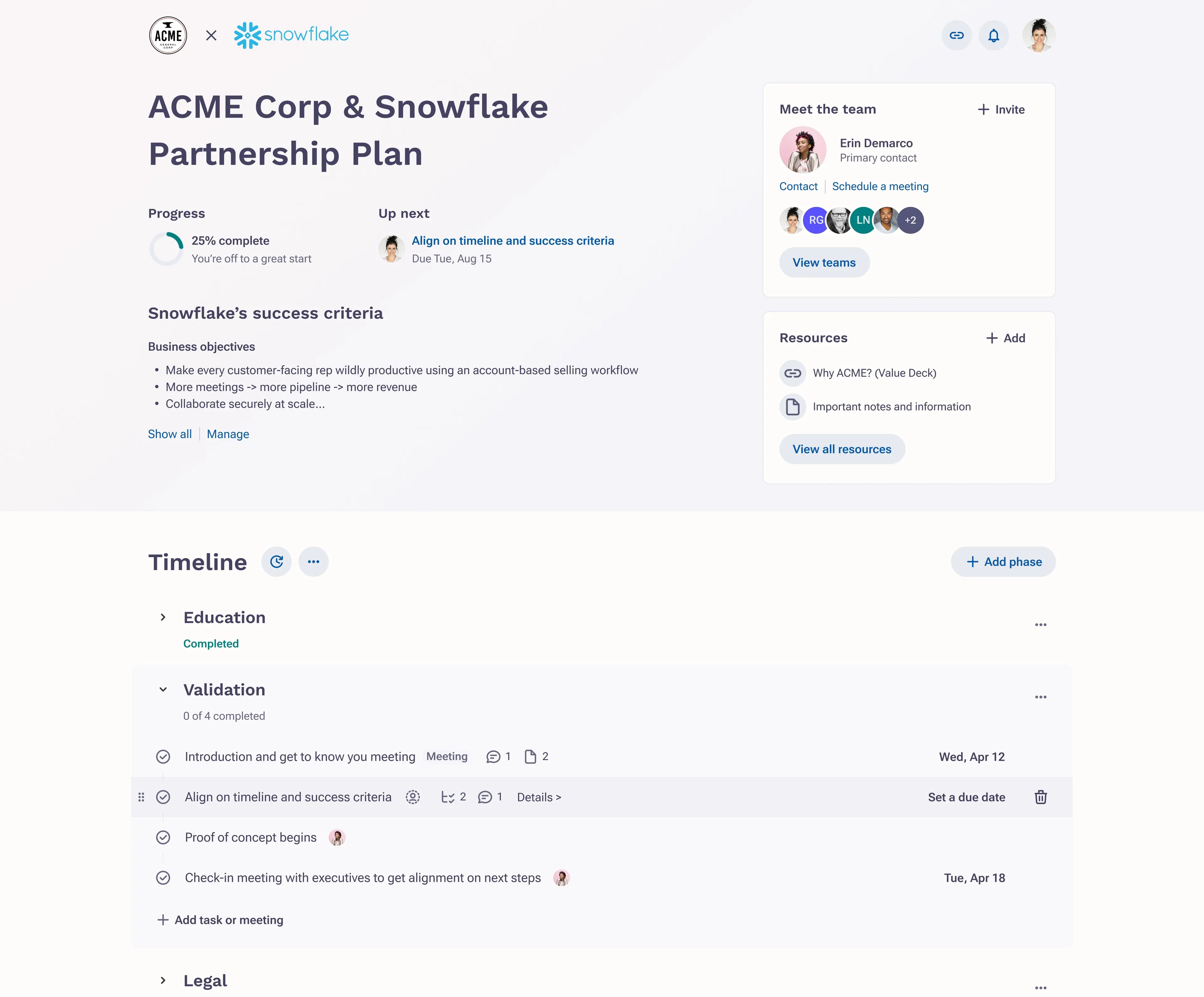
Deals slip in the gaps between conversations. A mutual action plan closes those gaps. Buyer and seller agree on purchase criteria, success measures, and milestones in one shared plan, and the buyer uses it to make the case internally when you are not in the room. Because context and commitments carry forward through every stage and handoff, slippage shows up as a missed milestone, not a surprise at quarter end.
Multi-Threading
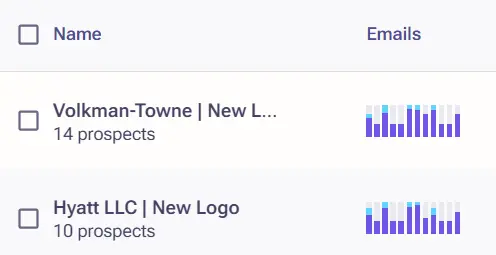
One champion is a fragile way to win a large deal. Outreach maps the buying committee, shows the roles you have not reached, and helps sellers engage each one with outreach shaped by what that stakeholder cares about, drawing on internal and external context. Wider coverage makes the deal harder to lose, and value made tangible from end user to executive sponsor supports a larger deal size.
Opportunity Management
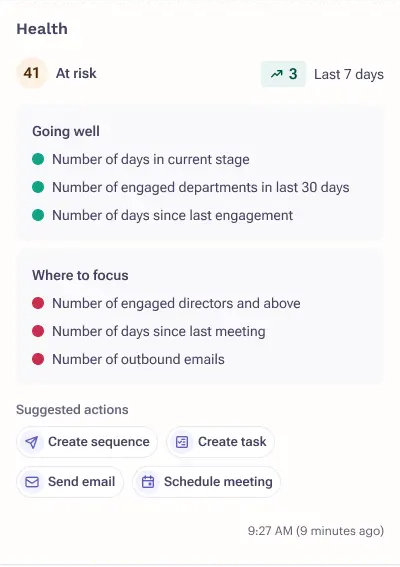
Leaders cannot inspect every deal, so Outreach does. Each opportunity is scored in real time on a range of signals, including engagement, (coming soon!) sentiment, and pipeline movement, and the ones drifting off track are flagged with the reason. Sellers get a recommended next action. Managers get an early signal to step in with executive support before the close date slides. Fewer surprises in the deal review means a forecast leadership can commit to.
Frequently asked questions
How does Outreach help me prepare for every meeting?
Meeting prep takes time sellers don't have. Outreach AI agents build your meeting brief before the call, pulling together account history, CRM data, and competitive context—so you walk in sharper. During the conversation, live guidance surfaces objection responses, pricing strategies, and competitive talking points as the conversation shifts. After the call, Outreach auto-generates the summary, action items, and CRM updates before you reach your next meeting. You spend less time on admin and more time on relationship building.
How do AI agents help me move deals faster?
Deals stall between conversations. Outreach AI agents handle the work that slows you down—research summaries, follow-up drafts, next-step reminders, CRM updates. So you focus on what only you can do: building relationships and closing. Agents can automatically update your opportunity fields, so you spend less time on manual data entry., so you know exactly where to focus your time. The result: deals move faster because the follow-through happens without waiting on your to-do list.
Can Outreach help me manage large buying committees?
Yes. Outreach maps the entire buying committee and shows you the roles and stakeholders you haven't reached yet—so you're not relying on a single champion. AI agents help you tailor outreach to each stakeholder, drawing on what you know about their priorities and pain points. Wider coverage across the buying committee makes your deal harder to lose and supports larger deal sizes because value becomes clear to everyone involved, not just one person.
How do I know which deals are at risk?
Outreach scores every deal in real time based on engagement patterns, (coming soon!) conversation sentiment, and pipeline movement. If a deal is drifting, you get alerted with the risk reason so you can take action before momentum is lost. You also get suggested actions: whether that's sending a follow-up email, scheduling a next meeting, or making a call. Staying ahead of deal risk means fewer surprises and more deals that close.
