Step 1
Research Agent reviews the data
AI Agent
Solves for reference programs that remain reactive due to undocumented customer wins and scattered insights.
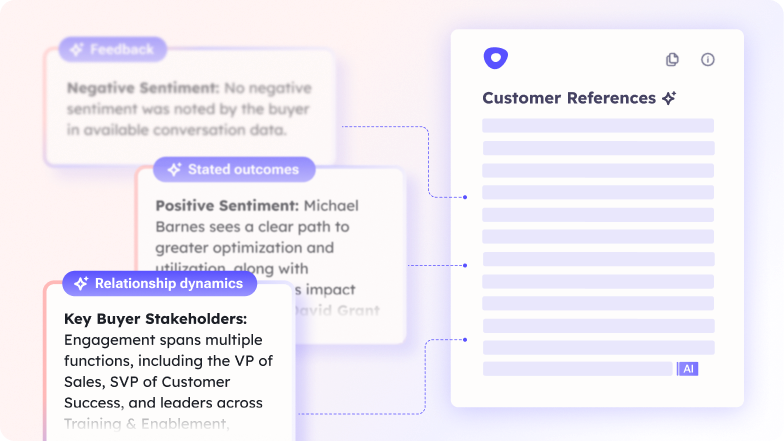
Outcomes that usually disappear into call recordings get pulled into one view, so you have a running record of customer success.
When wins are organized, you can quickly spot stories and match them to the content, campaign, or deal that needs proof.
Each summary flags who's open to advocating and why, so reference programs become targeted and scalable.
Outreach connects to the CRM and tools your team already uses, then layers on an AI agent that pulls together the context a team member would otherwise dig for manually. Here's the full path, from disconnected data to a clear, ready-to-use summary.
Step 1
Research Agent reviews the data
A structured summary is delivered
It collects insights across calls, emails, and activity, picking out the outcomes shared, insights behind them, and signs they'd be open to advocating.
The agent returns a clear view of the stated outcomes, success metrics, top use cases, and reference potential, ready to use for content and advocacy.
In Outreach, you set up an agent once using plain-language instructions. No code required. You tell it what to look for and what to produce, and the agent turns scattered conversation history into a summary you can actually use.
How do you identify a customer win worth capturing?
The Research Agent monitors: revenue milestones, customer expansion, public announcements, awards/recognition, and conversations mentioning success metrics. It flags wins that are recent, measurable, and specific to your product's value.
When should I reach out to capture a win?
Strike while it's hot—within 48 hours of the win. Customers are most enthusiastic in that window and are more likely to participate in a case study or reference call. The recipe auto-triggers based on win signals.
What makes a good customer reference story?
The best references include: (1) a quantified business outcome ("increased pipeline 30%"), (2) a challenge they faced before ("tool fragmentation"), (3) how you solved it, and (4) results and next steps. The recipe auto-drafts these into reference-ready case studies.
How do I get a busy customer to participate in a case study?
Make it easy. The recipe suggests a 30-min kickoff call, not a 2-hour commitment. It also offers incentives: free marketing amplification (you'll promote their story), thought leadership opportunities (speaking slot, co-authored content), or a discount on renewal.
Can I use customer wins in different stages of the sales cycle?
Yes. Early-stage prospects want to see use cases and outcomes (your reference story provides both). Mid-stage buyers want to hear from similar companies (segment your references by company size, industry). Late-stage buyers want to talk to current customers directly (your reference program supports this).
How many references do I need?
Start with 5-10 strong customer references across your key verticals and use cases. Once you have 10+, you'll have enough variation to match most prospect scenarios. The recipe helps you capture and organize these at scale.

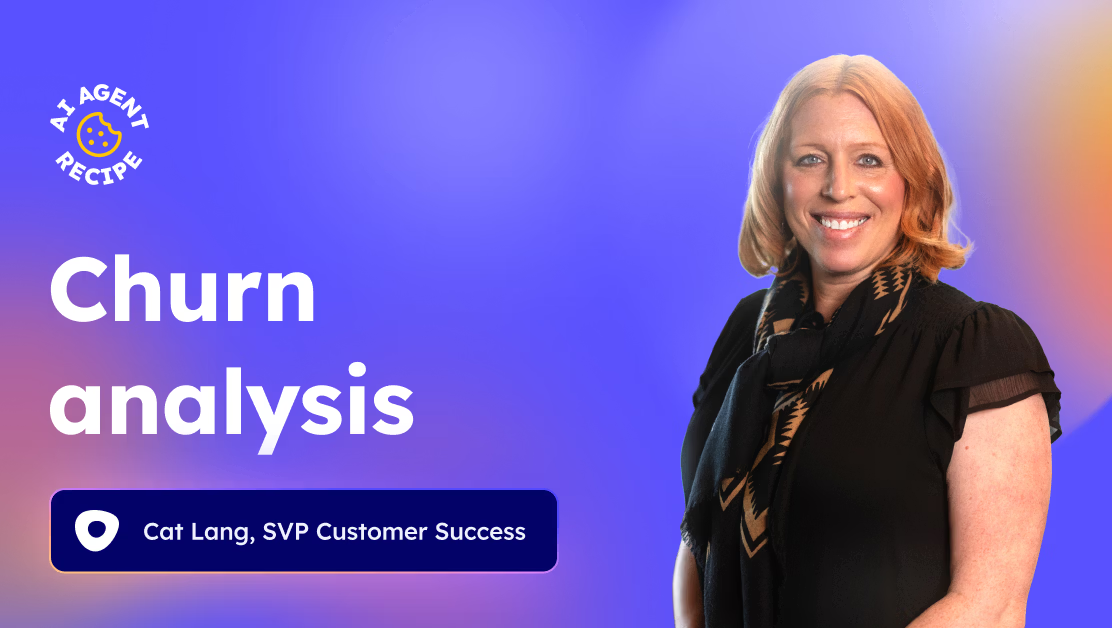
Diagnose customer churn
See what drove the loss, what signals appeared early, and where future win-back opportunities may exist.
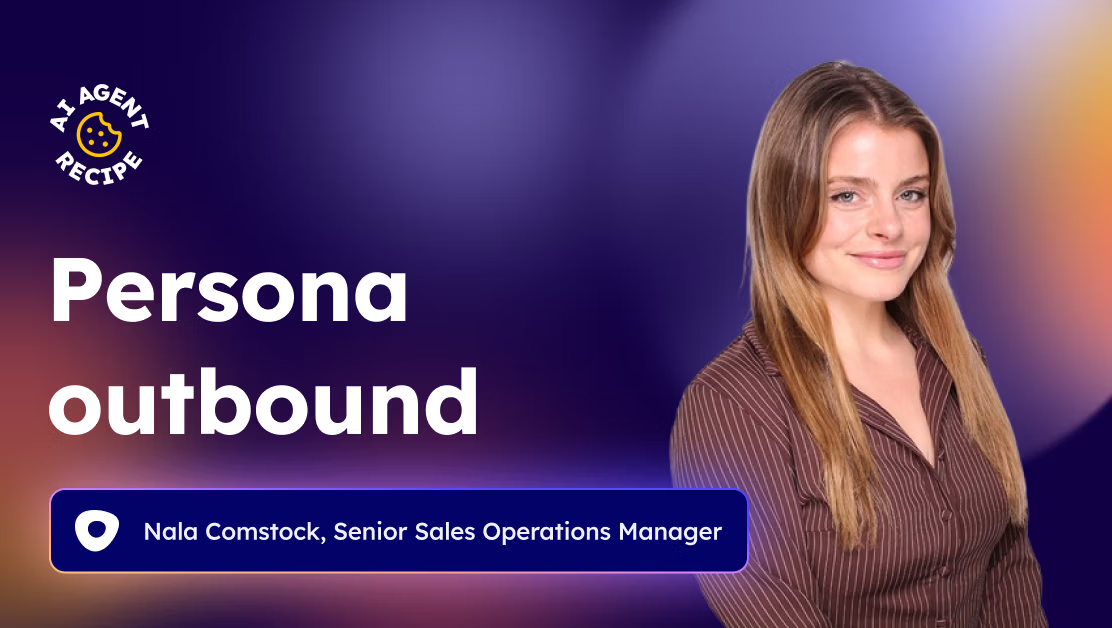
Engage the right buyers
Reach people who shape the decision with targeted messaging that speaks to their role and reality.
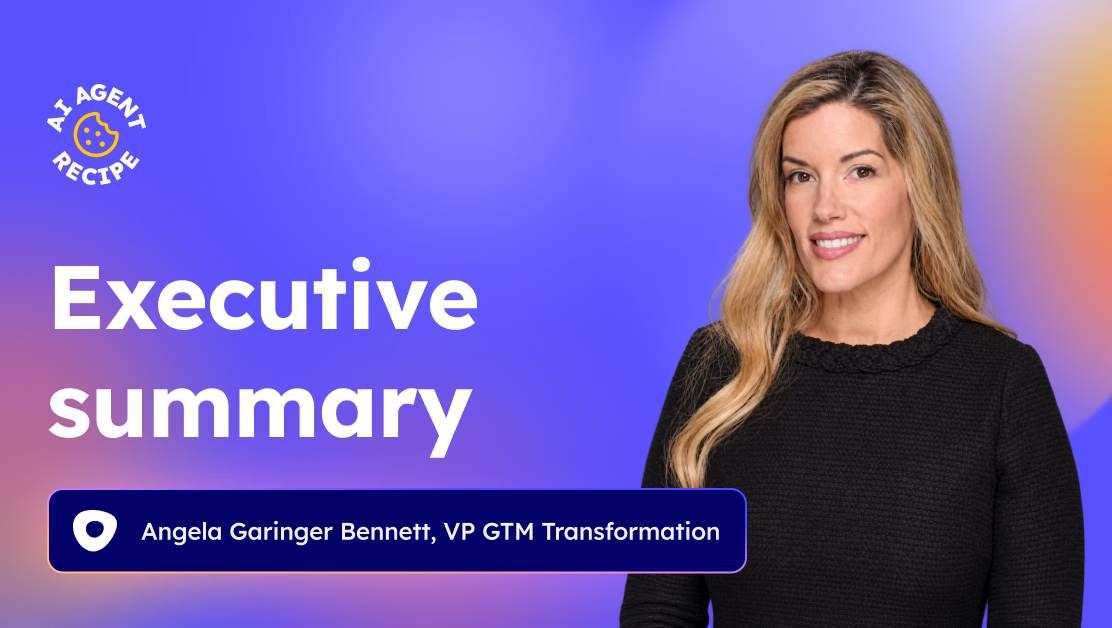
Prep for key meetings
Get the full account picture with recent activity and strategic deal context in one exec-ready summary.
